You know your building. What you need from us is what we understand about your problems, what we can do about them, and why our approach holds up.
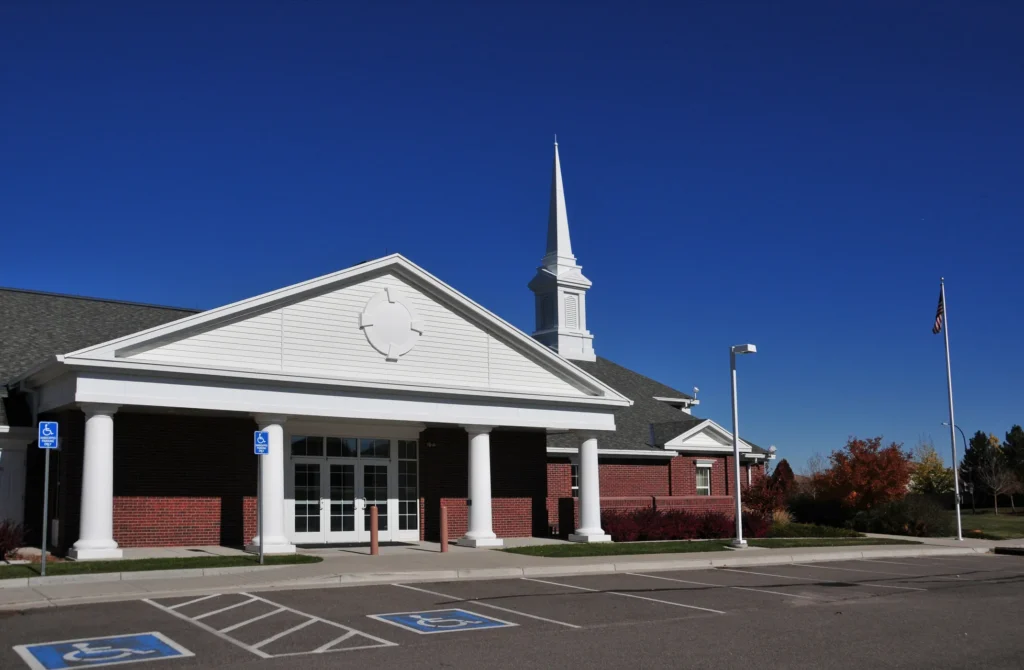
The building sits nearly empty all week, then has to be comfortable for a full house in twenty minutes — and quiet enough that nobody hears the air move. We schedule around your services and events, not a generic weekday calendar, and tune for fast recovery without the noise or draft that pulls attention away from the front of the room. Setback runs the rest of the week, and we integrate what you already have rather than pushing a full replacement, because the budget answers to a congregation.
Your redundancy is only as good as the controls that execute the transfer. We build sequences around the failure cases — chiller and CRAH staging that holds supply temperature through a unit loss, economizer changeover that doesn’t destabilize the room, containment airflow tight enough to stop recirculation, and gas detection tied into ventilation response in battery rooms. Then we prove it: functional testing under simulated load before the racks arrive, and live-facility work planned around concurrent maintainability. The thing you most need to test is the thing you can’t afford to trigger — that’s what commissioning is for.
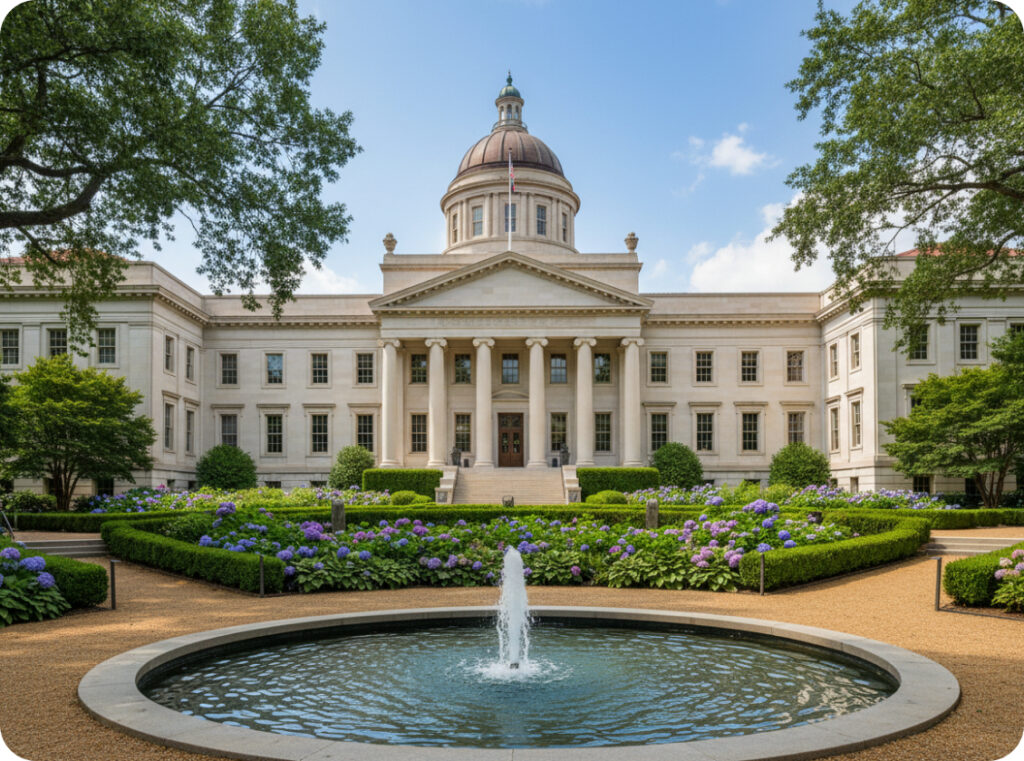
Proprietary controls mean one qualified bidder on your next service contract — and that stays true even when the spec says BACnet, because the lock-in lives in the programming tools, not the protocol. We build open systems at every tier, so the products, software, tools, and documentation stay with your agency and the work stays competitive. Campuses are rarely uniform, so we integrate what exists and phase upgrades against the appropriations you actually have — working within prevailing wage, bonding, and documentation requirements, and coordinating with IT on segmentation and access.

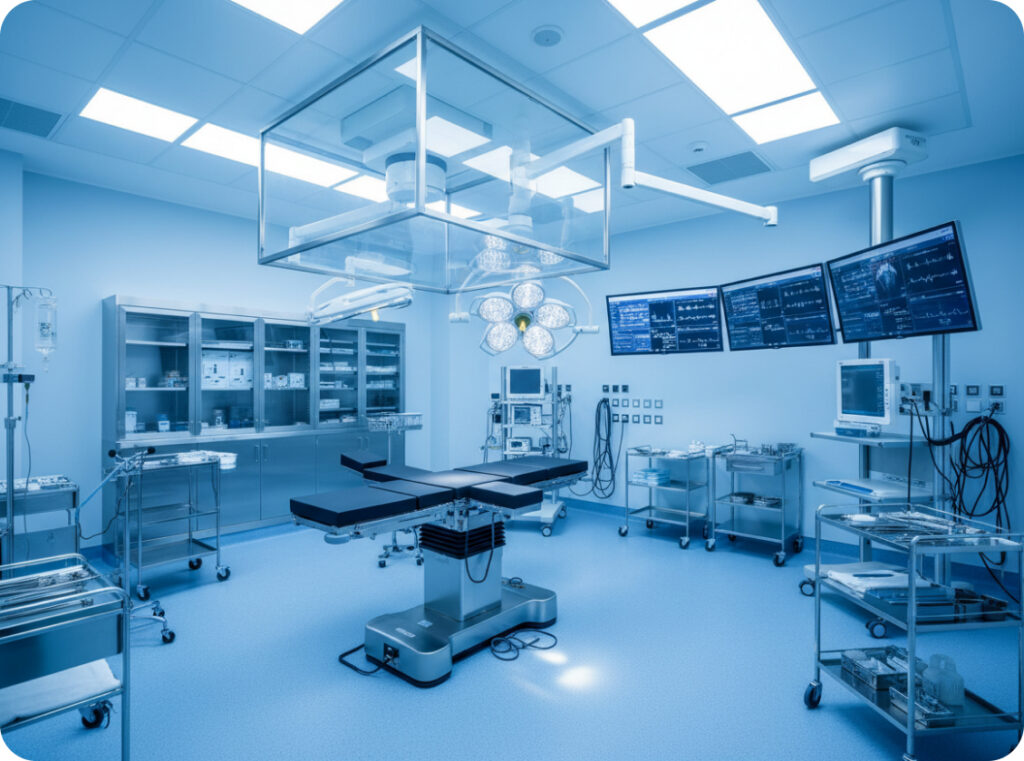
Pressure relationships, air changes, and temperature aren’t comfort settings here — they’re compliance, and they get surveyed. We control and document them continuously, so ORs, isolation rooms, pharmacy, and sterile processing hold their parameters and you can show it. Nothing shuts down for our convenience: we phase work around clinical operations with infection control coordination built into how we sequence it. And we commission the integrated system before it’s occupied, because discovering a problem in month four isn’t an option here.
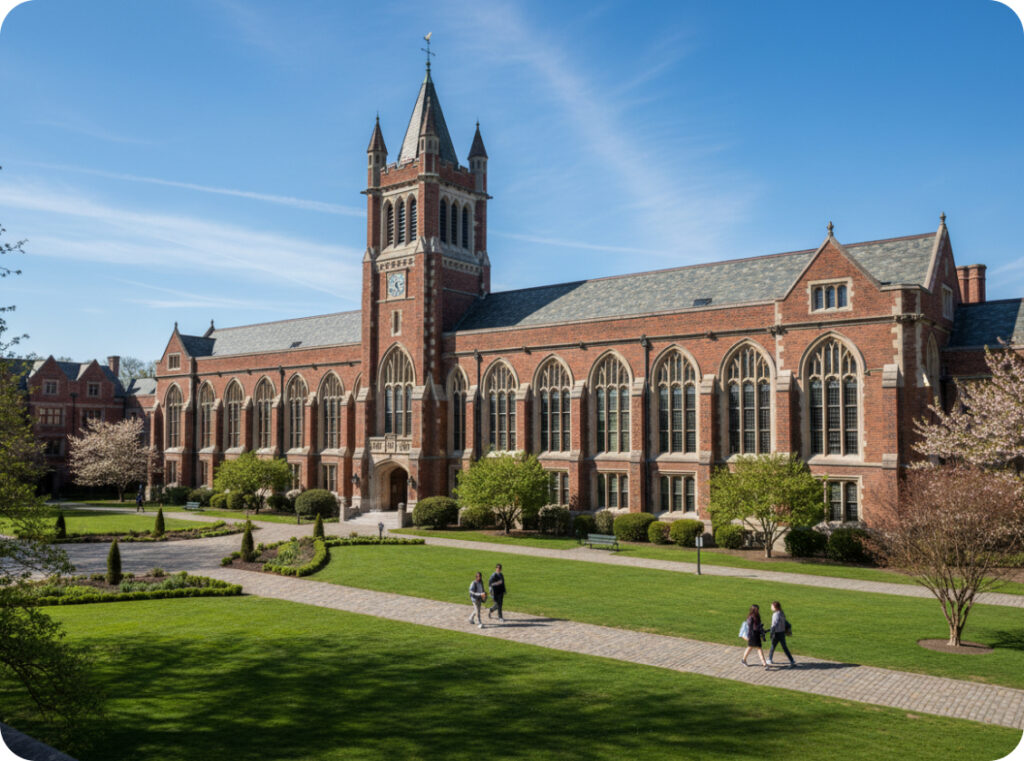
Every building arrives with whatever controls the last project installed, and your team has to run all of it. We bring the campus onto one open platform — open in the way that matters, where the programming tools are available to multiple contractors — so you can compete service work, add buildings without starting over, and phase upgrades against capital cycles. Scheduling follows the academic calendar, with research space engineered as the continuous-duty exception. Your staff will own these systems for decades; we document and train for that, not for a two-hour session at closeout.
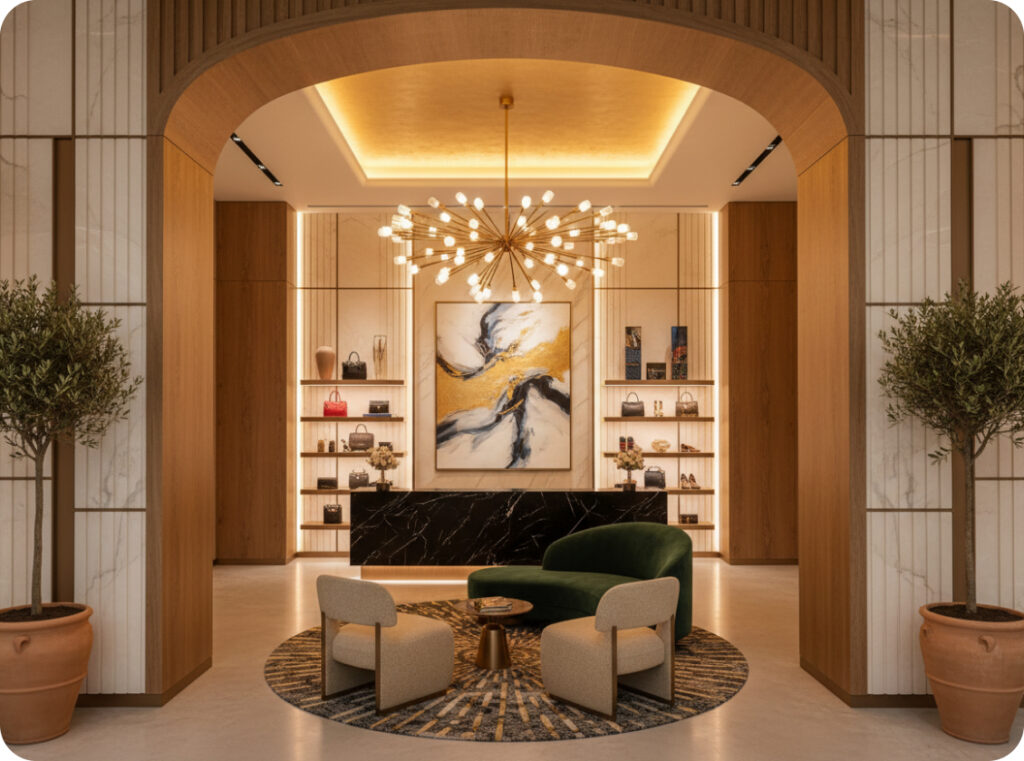
A guest who notices the HVAC has already had a worse stay, and the building never closes long enough for a convenient fix. We tie controls to occupancy and PMS data so unsold rooms set back and recover before check-in, tune event space for fast pickup without noise or draft, and hold corridor pressurization so back-of-house odors stay there. Work happens floor by floor around occupied rooms. And because the system is genuinely open, a flag change, a PMS change, or an ownership change doesn’t strand your controls with a single provider.
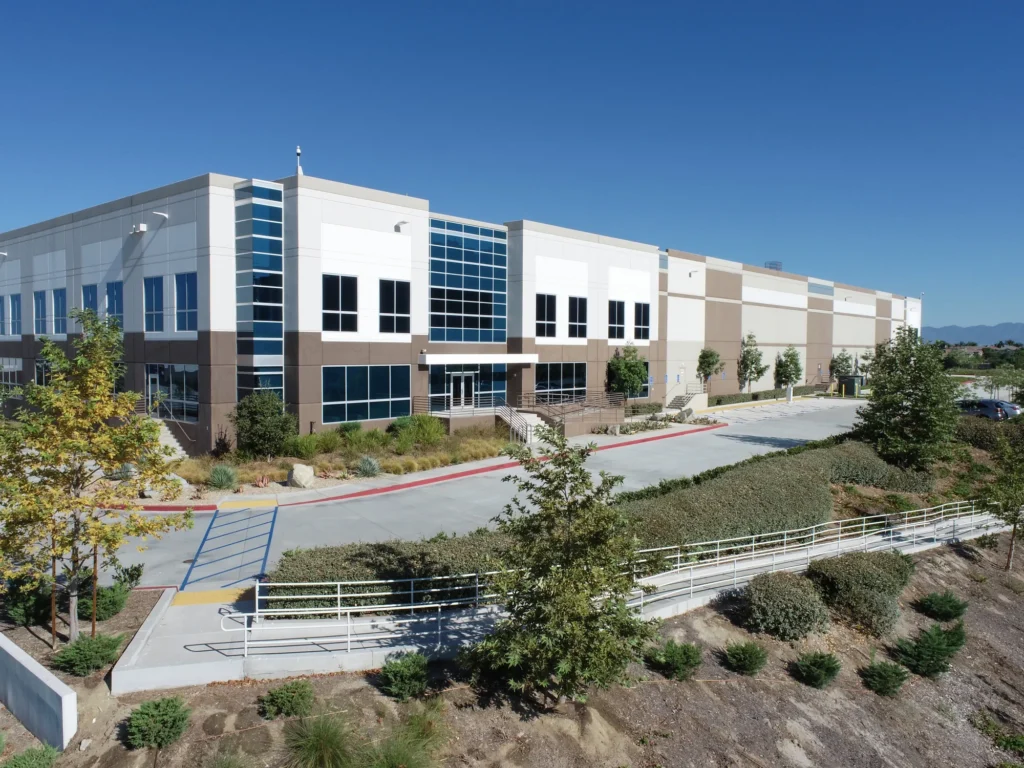
Your process control lives on PLCs and SCADA, your building systems live on the BAS, and neither talks to the other. As Master Systems Integrator we bridge them — boiler, chiller, compressed air, and process data on one platform instead of three. Process areas get temperature and humidity held to spec, exhaust and makeup air stay balanced under changing load, and where combustible or toxic materials are present, gas detection is designed into ventilation and life safety response rather than bolted on. Cutovers are phased around your production schedule, because downtime is measured in dollars per minute.
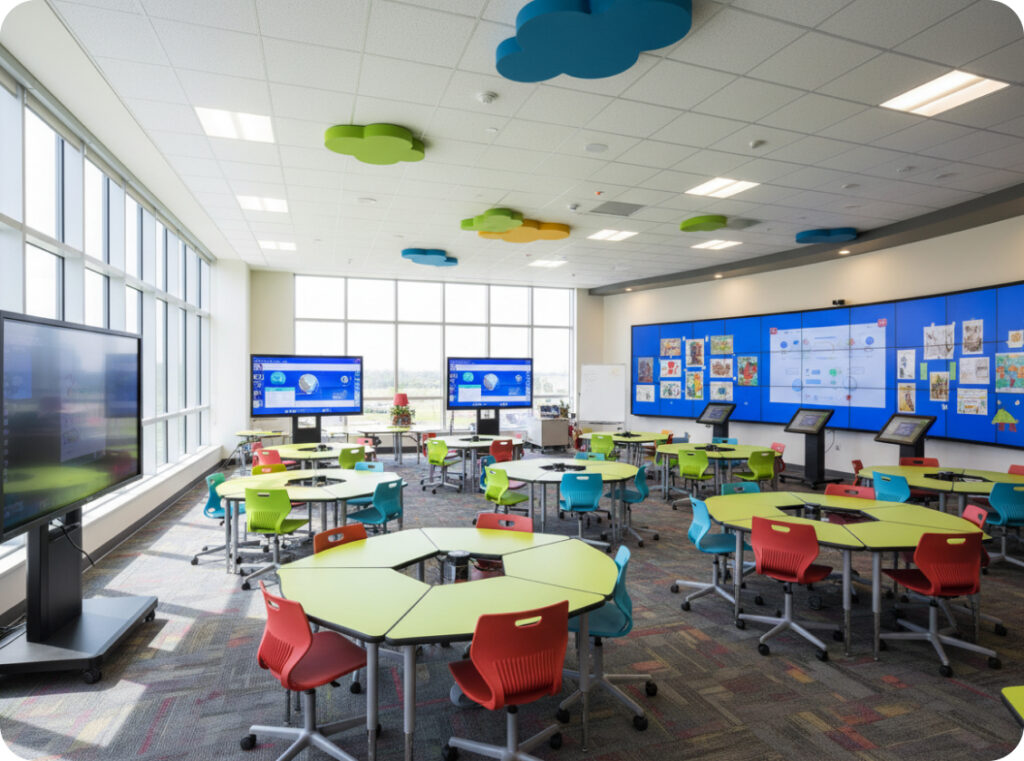
Thirty people in a room, a small maintenance staff covering multiple buildings, and a board that has to justify the spend. We control to classroom conditions that hold through a full period and give you the trend data to demonstrate air quality when parents and the board ask. Scheduling follows the school calendar, with after-hours and community use conditioned without running the whole building. Open systems let you bring every building onto one platform and compete service work instead of being captive to one provider.
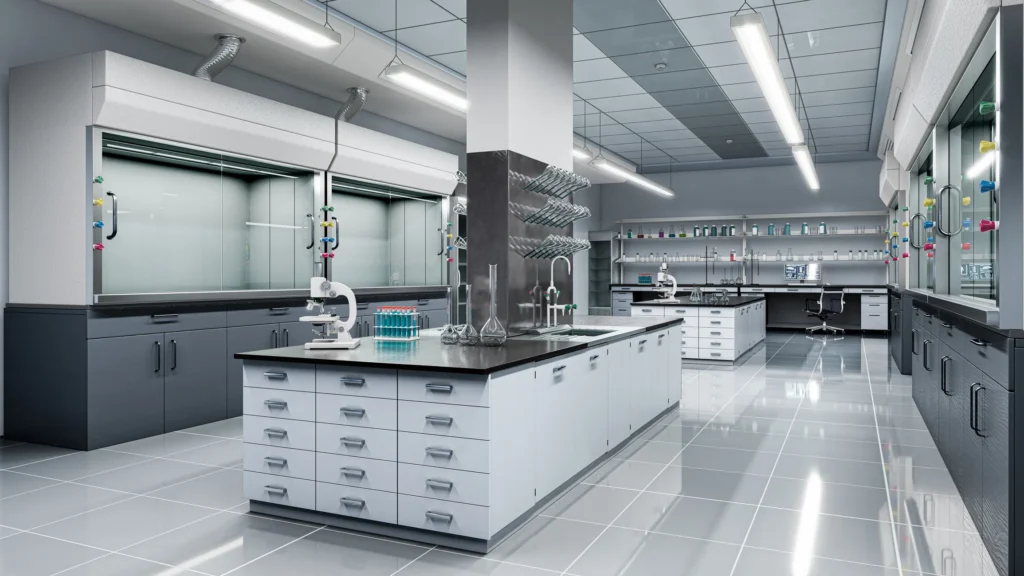
Containment failures don’t announce themselves — a sash movement cascades to the AHU and pulls the room next door out of pressurization. We control fume hoods, room pressurization, temperature, humidity, and air change rates as one integrated system, and we test them that way: driven through load transitions and failure modes, not point-checked in isolation. Where hazardous gases are in use, detection is integrated with ventilation response as part of the same design. Documented performance, protecting both the people and the work.
You’re managing to occupancy that changed permanently and a tenant base that notices every hot call. We tie controls to actual occupancy rather than a fixed schedule, so you’re not conditioning empty floors, and we give you the trend data to answer complaints with something other than a guess. Tenant fit-outs and equipment changes come onto the existing platform without a rebuild, and submetering supports tenant billing and lease compliance. And the next service contract goes out to bid — including to us, on the merits.
You can’t send an engineer to two hundred stores. Most sites have no technical staff at all, and the setpoint is whatever the closing manager decided it should be. We standardize the sequence across the portfolio so every location behaves the same way, constrain local overrides to a defined range, and run it from one platform — with exception-based alerting, so you hear about the four sites that need attention instead of scrolling past the ones that don’t. Open systems matter more here than anywhere: a proprietary platform across a hundred leases is a hundred captive service contracts.
A new project, a system that isn’t performing, or a question you’d like a straight answer to. We’ll tell you what we’d do, and if you don’t need us, we’ll tell you that too.